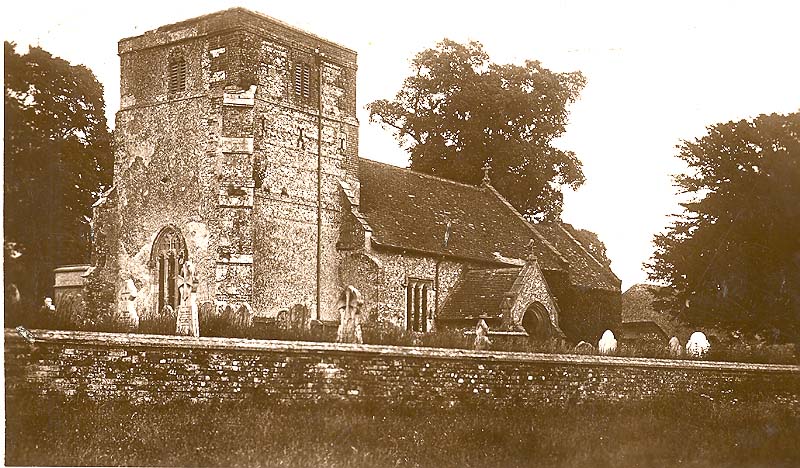
Tidworth


<
p
>
T
h
e
p
r
e
s
e
n
t
c
i
v
i
l
p
a
r
i
s
h
o
f
T
i
d
w
o
r
t
h
w
a
s
o
n
l
y
c
r
e
a
t
e
d
i
n
1
9
9
2
a
n
d
c
o
n
t
a
i
n
s
N
o
r
t
h
T
i
d
w
o
r
t
h
,
w
h
i
c
h
h
a
s
a
l
w
a
y
s
b
e
e
n
i
n
W
i
l
t
s
h
i
r
e
,
a
n
d
S
o
u
t
h
T
i
d
w
o
r
t
h
,
w
h
i
c
h
w
a
s
t
r
a
n
s
f
e
r
r
e
d
f
r
o
m
H
a
m
p
s
h
i
r
e
i
n
1
9
9
2
.
&
n
b
s
p
;
T
h
e
v
i
l
l
a
g
e
s
t
h
e
m
s
e
l
v
e
s
h
a
v
e
a
l
m
o
s
t
c
o
m
p
l
e
t
e
l
y
d
i
s
a
p
p
e
a
r
e
d
b
e
n
e
a
t
h
a
g
a
r
r
i
s
o
n
t
o
w
n
t
h
a
t
h
a
s
b
e
e
n
b
u
i
l
t
u
p
d
u
r
i
n
g
t
h
e
2
0
<
s
u
p
>
t
h
<
/
s
u
p
>
c
e
n
t
u
r
y
.
&
n
b
s
p
;
I
n
2
0
0
1
t
h
e
p
o
p
u
l
a
t
i
o
n
w
a
s
7
,
6
7
0
,
m
a
k
i
n
g
i
t
t
h
e
1
4
<
s
u
p
>
t
h
<
/
s
u
p
>
l
a
r
g
e
s
t
c
o
m
m
u
n
i
t
y
i
n
W
i
l
t
s
h
i
r
e
.
&
n
b
s
p
;
M
u
c
h
o
f
i
t
i
s
a
t
r
a
n
s
i
e
n
t
c
o
m
m
u
n
i
t
y
o
f
s
o
l
d
i
e
r
s
&
r
s
q
u
o
;
f
a
m
i
l
i
e
s
w
h
o
s
t
a
y
a
r
o
u
n
d
1
5
m
o
n
t
h
s
o
n
a
v
e
r
a
g
e
,
a
n
d
i
t
c
a
n
n
o
t
b
e
r
e
g
a
r
d
e
d
a
s
a
t
o
w
n
b
u
t
a
s
a
g
a
r
r
i
s
o
n
t
h
a
t
h
a
s
a
p
u
b
l
i
c
a
r
e
a
o
f
s
h
o
p
s
,
p
u
b
s
a
n
d
f
e
w
b
u
i
l
d
i
n
g
s
r
e
m
a
i
n
i
n
g
o
f
t
h
e
o
r
i
g
i
n
a
l
v
i
l
l
a
g
e
s
.
<
/
p
>
<
p
>
&
n
b
s
p
;
<
/
p
>
<
p
>
T
h
e
a
r
e
a
i
s
c
h
a
l
k
,
o
v
e
r
l
a
i
n
b
y
c
l
a
y
-
w
i
t
h
-
f
l
i
n
t
s
i
n
p
l
a
c
e
s
,
s
u
c
h
a
s
S
i
d
b
u
r
y
H
i
l
l
a
n
d
t
o
t
h
e
e
a
s
t
o
f
N
o
r
t
h
T
i
d
w
o
r
t
h
.
&
n
b
s
p
;
H
i
g
h
e
s
t
p
o
i
n
t
s
a
r
e
S
i
d
b
u
r
y
H
i
l
l
(
2
2
4
m
)
i
n
t
h
e
w
e
s
t
,
W
i
n
d
m
i
l
l
H
i
l
l
(
1
8
3
m
)
i
n
t
h
e
e
a
s
t
,
a
n
d
F
u
r
z
e
H
i
l
l
(
1
8
4
m
)
i
n
t
h
e
s
o
u
t
h
.
&
n
b
s
p
;
T
h
e
r
i
v
e
r
B
o
u
r
n
e
i
s
i
n
t
h
e
c
e
n
t
r
e
o
f
t
h
e
p
a
r
i
s
h
,
f
l
o
w
i
n
g
s
o
u
t
h
w
a
r
d
s
,
a
l
t
h
o
u
g
h
i
t
s
u
p
p
e
r
p
a
r
t
s
h
a
v
e
b
e
e
n
m
o
s
t
l
y
d
r
y
f
o
r
t
h
e
l
a
s
t
c
e
n
t
u
r
y
.
&
n
b
s
p
;
I
n
t
h
e
1
7
<
s
u
p
>
t
h
<
/
s
u
p
>
c
e
n
t
u
r
y
t
h
e
m
a
i
n
O
x
f
o
r
d
t
o
S
a
l
i
s
b
u
r
y
r
o
a
d
r
a
n
t
h
r
o
u
g
h
N
o
r
t
h
T
i
d
w
o
r
t
h
b
u
t
t
h
e
r
o
u
t
e
w
a
s
c
h
a
n
g
e
d
i
n
t
h
e
1
8
<
s
u
p
>
t
h
<
/
s
u
p
>
c
e
n
t
u
r
y
.
&
n
b
s
p
;
I
n
1
8
3
5
t
h
e
r
o
a
d
t
h
r
o
u
g
h
N
o
r
t
h
T
i
d
w
o
r
t
h
,
a
n
d
o
n
t
o
t
h
e
S
o
u
t
h
T
i
d
w
o
r
t
h
,
w
a
s
t
u
r
n
p
i
k
e
d
a
s
p
a
r
t
o
f
t
h
e
S
w
i
n
d
o
n
a
n
d
M
a
r
l
b
o
r
o
u
g
h
t
o
S
a
l
i
s
b
u
r
y
r
o
a
d
a
n
d
o
n
c
e
a
g
a
i
n
t
h
e
r
e
w
a
s
a
m
a
i
n
n
o
r
t
h
t
o
s
o
u
t
h
r
o
u
t
e
t
h
r
o
u
g
h
t
h
e
p
a
r
i
s
h
.
<
/
p
>
<
p
>
&
n
b
s
p
;
<
/
p
>
<
p
>
N
o
r
t
h
T
i
d
w
o
r
t
h
w
a
s
a
s
m
a
l
l
v
i
l
l
a
g
e
b
e
s
i
d
e
t
h
e
r
i
v
e
r
B
o
u
r
n
e
,
a
l
o
n
g
t
h
e
o
l
d
r
o
a
d
t
h
a
t
f
o
l
l
o
w
e
d
t
h
e
v
a
l
l
e
y
.
&
n
b
s
p
;
M
o
s
t
o
f
t
h
e
c
o
t
t
a
g
e
s
l
a
y
t
o
t
h
e
n
o
r
t
h
o
f
t
h
e
c
h
u
r
c
h
.
&
n
b
s
p
;
S
o
u
t
h
T
i
d
w
o
r
t
h
w
a
s
a
s
m
a
l
l
e
r
v
i
l
l
a
g
e
a
r
o
u
n
d
i
t
s
c
h
u
r
c
h
o
n
t
h
e
n
o
r
t
h
t
o
s
o
u
t
h
r
o
a
d
,
c
l
o
s
e
t
o
T
i
d
w
o
r
t
h
H
o
u
s
e
.
&
n
b
s
p
;
I
n
t
h
e
1
8
<
s
u
p
>
t
h
<
/
s
u
p
>
c
e
n
t
u
r
y
t
h
e
e
s
t
a
t
e
o
w
n
e
r
r
e
m
o
v
e
d
b
o
t
h
c
h
u
r
c
h
a
n
d
v
i
l
l
a
g
e
f
r
o
m
t
h
e
e
n
v
i
r
o
n
s
o
f
h
i
s
h
o
u
s
e
a
n
d
t
h
e
v
i
l
l
a
g
e
s
e
e
m
s
t
o
h
a
v
e
b
e
e
n
r
e
b
u
i
l
t
a
t
H
a
m
p
s
h
i
r
e
C
r
o
s
s
,
c
l
o
s
e
t
o
t
h
e
W
i
l
t
s
h
i
r
e
b
o
r
d
e
r
,
w
h
e
r
e
t
h
e
r
e
a
r
e
s
t
i
l
l
t
h
a
t
c
h
e
d
c
o
t
t
a
g
e
s
.
<
/
p
>
<
p
>
&
n
b
s
p
;
<
/
p
>
<
p
>
T
h
e
s
p
e
l
l
i
n
g
o
f
t
h
e
p
l
a
c
e
-
n
a
m
e
h
a
s
b
e
e
n
d
i
f
f
e
r
e
n
t
i
n
t
h
e
t
w
o
c
o
u
n
t
i
e
s
i
n
r
e
c
e
n
t
t
i
m
e
s
.
&
n
b
s
p
;
T
h
e
n
a
m
e
o
f
b
o
t
h
v
i
l
l
a
g
e
s
c
o
m
e
f
r
o
m
a
S
a
x
o
n
,
T
u
d
a
,
a
n
d
m
e
a
n
t
t
h
e
e
n
c
l
o
s
u
r
e
o
r
f
a
r
m
o
f
T
u
d
a
.
&
n
b
s
p
;
T
h
e
&
l
s
q
u
o
;
u
&
r
s
q
u
o
;
h
a
s
b
e
e
n
a
&
l
s
q
u
o
;
u
&
r
s
q
u
o
;
&
l
s
q
u
o
;
o
&
r
s
q
u
o
;
o
r
&
l
s
q
u
o
;
h
o
&
r
s
q
u
o
;
b
e
t
w
e
e
n
1
0
8
6
a
n
d
t
h
e
1
7
<
s
u
p
>
t
h
<
/
s
u
p
>
c
e
n
t
u
r
y
a
n
d
b
y
t
h
e
1
8
<
s
u
p
>
t
h
<
/
s
u
p
>
c
e
n
t
u
r
y
t
h
e
s
p
e
l
l
i
n
g
w
a
s
T
y
d
w
o
r
t
h
.
&
n
b
s
p
;
A
t
t
h
i
s
p
o
i
n
t
t
h
e
v
i
l
l
a
g
e
s
d
i
f
f
e
r
e
d
a
n
d
N
o
r
t
h
T
i
d
w
o
r
t
h
a
n
d
W
i
l
t
s
h
i
r
e
u
s
e
d
a
n
&
l
s
q
u
o
;
i
'
a
n
d
S
o
u
t
h
T
e
d
w
o
r
t
h
a
n
d
H
a
m
p
s
h
i
r
e
a
n
&
l
s
q
u
o
;
e
&
r
s
q
u
o
;
.
&
n
b
s
p
;
I
n
t
h
e
2
0
<
s
u
p
>
t
h
<
/
s
u
p
>
c
e
n
t
u
r
y
b
o
t
h
p
a
r
i
s
h
e
s
w
e
r
e
s
p
e
l
t
T
i
d
w
o
r
t
h
b
u
t
i
n
t
h
e
s
o
u
t
h
t
h
e
o
l
d
e
r
s
p
e
l
l
i
n
g
w
a
s
r
e
t
a
i
n
e
d
i
n
T
e
d
w
o
r
t
h
H
o
u
s
e
a
n
d
t
h
e
T
e
d
w
o
r
t
h
H
u
n
t
.
<
/
p
>
<
p
>
&
n
b
s
p
;
<
/
p
>
<
p
>
F
a
r
m
i
n
g
w
a
s
t
h
e
m
a
i
n
o
c
c
u
p
a
t
i
o
n
u
n
t
i
l
t
h
e
a
r
r
i
v
a
l
o
f
t
h
e
a
r
m
y
i
n
1
8
9
7
.
&
n
b
s
p
;
U
n
t
i
l
t
h
e
e
a
r
l
y
1
9
<
s
u
p
>
t
h
<
/
s
u
p
>
c
e
n
t
u
r
y
t
h
e
r
e
w
e
r
e
v
a
s
t
f
l
o
c
k
s
o
f
s
h
e
e
p
o
n
t
h
e
d
o
w
n
s
.
&
n
b
s
p
;
T
h
e
y
d
e
c
l
i
n
e
d
b
u
t
w
h
e
a
t
a
n
d
b
a
r
l
e
y
c
o
n
t
i
n
u
e
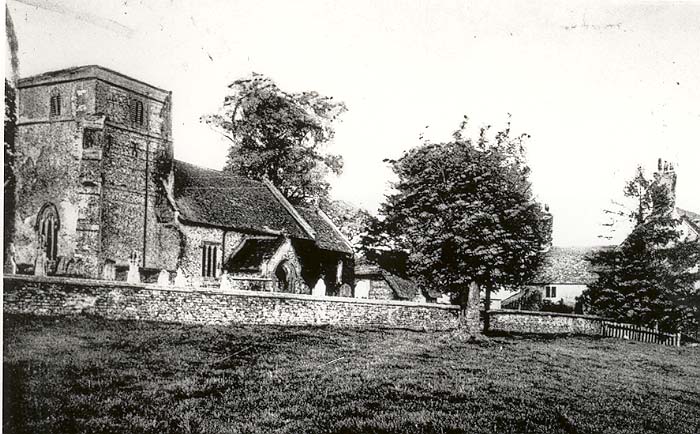
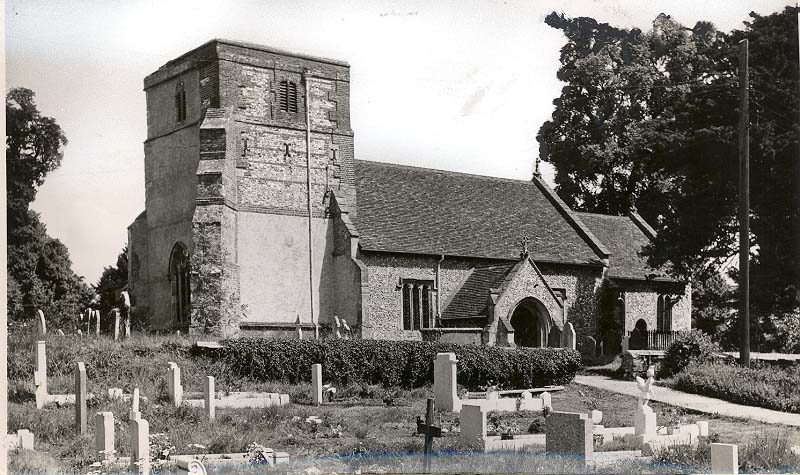
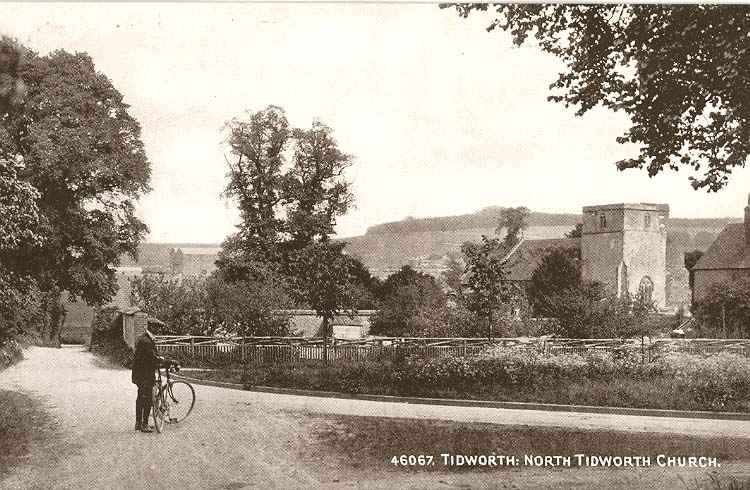
d to be grown extensively.  Throughout the centuries North Tidworth was usually the larger village but the presence of Tedworth House, at the centre of a large estate, tended to make South Tedworth the more important place.


There seems to have been a settlement in the valley of the river Bourne, between Clarendon Hill and Furze Hill for the last 3,000 years and earlier than that the area was farmed in Neolithic times.  There are a group of seven barrows in South Tidworth with Sidbury Hill and Pickpit Hill being bowl barrows.  A prehistoric field system exists in North Tidworth.  Bronze Age skeletons were uncovered in 1923 close to Tedworth House and there was a settlement on Dunch Hill.  A 17-acre hill fort was built on Sidbury Hill in the Iron Age and seven boundary ditches radiate out from it.  Recent investigation has shown that these were created in the late Bronze Age.


A Roman road, the Portway from Old Sarum to Silchester, is close to Tidworth and it is crossed by the Winchester to Cunetio (Mildenhall) road near the settlement.  A Romano-British settlement seems to have been near Sidbury Hill, on Perham Down and on Furze Hill.  A Celtic field system probably continued in use in Roman times.  A Roman pavement was excavated in 1836. 


There was originally one large estate in early Saxon times but this had become fragmented into seven smaller ones by 1066.

In the Domesday Book (1086) three of those estates were in North Tidworth and four in South Tidworth.  Land in North Tidworth was owned by the Bishop of Bayeux, Edward of Salisbury and Croc, and was sufficient for 61/2 plough teams.  The population is likely to have been between 60 and 75 people.  Landowners in South Tidworth included Robert, son of Gerold, and Croc and there was land for seven plough teams.  The population was probably between 50 and 60 people.  Both had meadows and woodland and South Tidworth possessed a church that would have existed in Saxon times.


During the 12th and 13th centuries the Zouche family were in control of North Tidworth; they were one of the first families in Britain to be granted a peerage (in 1308). The early 14th century saw a decimation of the fairly small population.  The Black Death in 1349 seriously affected the communities and in 1377 there were apparently no inhabitants of North Tidworth to pay the poll tax which was payable by everyone over 14 years of age.

T
h
e
v
i
l
l
a
g
e
s
r
e
c
o
v
e
r
e
d
a
n
d
f
a
r
m
i
n
g
c
o
n
t
i
n
u
e
d
a
l
t
h
o
u
g
h
i
t
i
s
l
i
k
e
l
y
t
h
a
t
t
h
e
f
e
u
d
a
l
s
y
s
t
e
m
h
a
d
e
n
d
e
d
.
&
n
b
s
p
;
I
n
1
5
2
7
t
h
e
p
o
p
u
l
a
t
i
o
n
o
f
N
o
r
t
h
T
i
d
w
o
r
t
h
w
a
s
s
a
i
d
t
o
b
e
1
4
0
w
h
i
c
h
i
n
d
i
c
a
t
e
s
a
r
e
a
s
o
n
a
b
l
e
r
e
c
o
v
e
r
y
i
n
1
5
0
y
e
a
r
s
.
&
n
b
s
p
;
T
h
e
r
e
w
a
s
a
l
s
o
a
n
a
l
e
h
o
u
s
e
i
n
N
o
r
t
h
T
i
d
w
o
r
t
h
b
y
1
5
8
7
.
<
/
p
>
<
p
>
&
n
b
s
p
;
<
/
p
>
<
p
>
I
n
t
h
e
1
7
<
s
u
p
>
t
h
<
/
s
u
p
>
c
e
n
t
u
r
y
t
h
e
a
r
e
a
w
a
s
f
a
m
o
u
s
f
o
r
g
a
m
e
,
e
s
p
e
c
i
a
l
l
y
h
a
r
e
s
,
a
n
d
t
h
e
e
s
t
a
t
e
o
w
n
e
r
s
e
n
j
o
y
e
d
c
o
u
r
s
i
n
g
a
n
d
h
u
n
t
i
n
g
o
v
e
r
t
h
e
i
r
l
a
n
d
s
.
&
n
b
s
p
;
T
h
e
T
e
d
w
o
r
t
h
e
s
t
a
t
e
w
a
s
b
o
u
g
h
t
f
r
o
m
J
a
n
e
A
s
h
b
u
r
n
h
a
m
i
n
1
6
5
0
b
y
T
h
o
m
a
s
S
m
i
t
h
,
w
h
o
s
e
f
a
m
i
l
y
w
e
r
e
t
o
r
e
m
a
i
n
h
e
r
e
f
o
r
2
0
0
y
e
a
r
s
.
&
n
b
s
p
;
T
h
e
r
e
w
a
s
a
l
r
e
a
d
y
a
f
i
n
e
h
o
u
s
e
h
e
r
e
,
b
u
t
i
t
i
s
u
n
c
e
r
t
a
i
n
a
s
t
o
w
h
e
n
t
h
i
s
w
a
s
b
u
i
l
t
.
&
n
b
s
p
;
T
h
e
S
m
i
t
h
f
a
m
i
l
y
w
a
s
t
o
t
a
k
e
a
l
e
a
d
i
n
g
r
o
l
e
i
n
t
h
e
n
a
t
i
o
n
w
h
e
n
J
o
h
n
S
m
i
t
h
w
a
s
S
p
e
a
k
e
r
o
f
t
h
e
H
o
u
s
e
o
f
C
o
m
m
o
n
s
(
1
7
0
5
-
1
0
)
a
m
o
n
g
o
t
h
e
r
r
o
l
e
s
.
&
n
b
s
p
;
A
d
i
f
f
e
r
e
n
t
k
i
n
d
o
f
n
a
t
i
o
n
a
l
p
r
o
m
i
n
e
n
c
e
h
a
d
b
e
e
n
a
c
h
i
e
v
e
d
i
n
1
6
6
2
-
3
w
i
t
h
p
o
l
t
e
r
g
e
i
s
t
a
c
t
i
v
i
t
y
a
t
Z
o
u
c
h
m
a
n
o
r
h
o
u
s
e
(
n
o
w
a
1
9
<
s
u
p
>
t
h
<
/
s
u
p
>
century farmhouse).  The owner, John Mompesson, a magistrate, had confiscated the drum of an itinerant drummer, William Drury from Uffcott in north Wiltshire.  Drury had been a parliamentary soldier and had become interested in magic.  The drum was taken to Zouche Manor and for over a year from then there was a constant drumming, ghostly appearances and objects thrown around.  Drury claimed to have caused this though there is no apparent reasonable explanation and it seems unlikely that Drury was hidden in the neighbourhood for over a year to physically cause these things to happen.  It has become known as the Tedworth Drummer but some investigators believe that the apparitions were only seen and heard by Mrs Mompesson, who may have been in an excited state, having given birth to a child during that time.


In 1689 Thomas Pierce built four almshouses near the church in North Tidworth but there was not any great expansion in either village in the 17th or 18th century.  There were three sites of windmills in the Tidworth area and one was still standing on Windmill Hill in 1773 although it had gone by the early 19th century.  The communities needed windmills for grinding corn because for most of the year there was insufficient water in the river Bourne to power a watermill.  In the late 18th century chalk was being quarried from the downs and sent to Birmingham via Bristol.

Cricket was played on Perham Down.


The Tedworth estate had been inherited by Thomas Assheton Smith in 1773 and it passed to his son, Thomas Assheton Smith II in 1774.  He was a keen sportsman and by the early 19th century both communities were part of a large sporting estate which owned nearly all of both parishes by the 1830s.  Woodland for coverts was planted on the downs and by 1845 the establishment had 400 foxhounds and a stable of 50 horses.  This was in the time of Thomas Assheton Smith III, who was one of the country’s leading foxhunters and cleared many square miles of land for hunting.  He also demolished and rebuilt Tedworth House between 1828 and 1830, moving into it in 1830.


In the villages these changes probably brought about more opportunities for employment although the villages did suffer from a natural problem early in the 19th century.  Between 1809 and 1828 strong floodwaters passed through the village at some point between January and June nearly every year.   Other liquids were more welcome and the Bull was in existence by 1820 and the Ram by 1848.  Thomas Assheton Smith III died without an heir and the estate passed to other owners.  By 1870 Edward Studd occupied Tedworth House and formed a racing establishment here; after his religious conversion the house became a revivalist centre.  His son C. (Charlie) T.

S
t
u
d
d
b
e
c
a
m
e
t
h
e
l
e
a
d
i
n
g
E
n
g
l
i
s
h
c
r
i
c
k
e
t
e
r
o
f
h
i
s
d
a
y
a
n
d
l
a
t
e
r
b
e
c
a
m
e
a
w
e
l
l
-
k
n
o
w
n
m
i
s
s
i
o
n
a
r
y
.
&
n
b
s
p
;
I
n
1
8
7
6
t
h
e
e
s
t
a
t
e
w
a
s
s
o
l
d
t
o
S
i
r
J
o
h
n
K
e
l
k
w
h
o
,
b
e
t
w
e
e
n
1
8
7
8
a
n
d
1
8
8
0
e
x
t
e
n
s
i
v
e
l
y
r
e
b
u
i
l
t
a
n
d
r
e
s
t
r
u
c
t
u
r
e
d
t
h
e
h
o
u
s
e
.
&
n
b
s
p
;
H
e
a
l
s
o
b
u
i
l
t
a
f
i
n
e
c
h
u
r
c
h
c
l
o
s
e
t
o
t
h
e
s
i
t
e
o
f
t
h
e
o
r
i
g
i
n
a
l
t
h
a
t
h
a
d
b
e
e
n
r
e
m
o
v
e
d
,
w
i
t
h
t
h
e
e
a
r
l
y
v
i
l
l
a
g
e
,
b
y
T
h
o
m
a
s
A
s
s
h
e
t
o
n
S
m
i
t
h
I
I
i
n
1
7
8
4
a
s
b
e
i
n
g
t
o
o
c
l
o
s
e
t
o
h
i
s
m
a
n
s
i
o
n
.
<
/
p
>
<
p
>
&
n
b
s
p
;
<
/
p
>
<
p
>
T
h
e
g
r
e
a
t
e
s
t
c
h
a
n
g
e
c
a
m
e
u
p
o
n
t
h
e
t
w
o
T
i
d
w
o
r
t
h
s
w
h
e
n
t
h
e
a
r
m
y
b
o
u
g
h
t
t
h
e
w
h
o
l
e
e
s
t
a
t
e
i
n
1
8
9
7
t
o
u
s
e
i
f
f
o
r
m
i
l
i
t
a
r
y
t
r
a
i
n
i
n
g
.
&
n
b
s
p
;
M
u
c
h
l
a
n
d
a
cross both parishes was built on for a garrison attached to Southern Military Command, with the Commanding Officer in residence at Tedworth House.  The first half of the 20th century is largely a catalogue of buildings erected and services provided.


1900      An isolation hospital was built in Brimstone Bottom.


1901      An army railway was built from the Midland and South Western Junction Railway at Ludgershall to South Tidworth.  The public were able to use if from 1902 and it closed in 1955.


1903   Sewerage works were built at Tidworth Park.


1904      First troops moved into new barracks from tents and huts.  Military cemetery created to the north of North Tidworth.


1905      Lucknow and Mooltan Barracks built to the south west of North Tidworth church.


Early 20th century Tin Town created in Brimstone Bottom – huts for labourers, plus a hospital, mission hall, school, recreation rooms and baths.


1907   Tidworth military hospital built.


1909-1910     New road between Tidworth and Bulford built by army.  Garrison theatre built.


1913  Garrison power station built and opened in 1914.

It powered an electric cinema as well as supplying power to military buildings.
&
n
b
s
p
;
<
/
p
>
<
p
>
&
n
b
s
p
;
<
/
p
>
<
p
>
1
9
1
5
&
n
b
s
p
;
&
n
b
s
p
;
A
h
u
t
t
e
d
c
a
m
p
b
u
i
lt on Perham Down.  Tedworth House became an Officers’ Club and remained so for 60 years.


During World War I, a Royal Ordnance depot was built to the east of North Tidworth church.


1920      The first Tidworth Tattoo was held.


1920s New army buildings built to the north and south of Andover Road.


1922   Houses built in Neupal Road


1923   Houses built in Ordnance Road.  Buildings for sport and recreation and a British Legion Club in existence.


Late 1920s  Large estate built to south of road on Perham Down.


1929   Tank workshop built.


1933-6 Brick barracks built.


1938   Fowler Barracks and Busigny Barracks built in Brimstone Bottom.


c.1939 Matthew Barracks built in village of North Tidworth.  Extensive military workshops built to the north east of North Tidworth.


During this time there was also a little non-military activity.  The increase in population gave rise to a few new businesses, including a creamery depot being set up c.1912.  In 1930 the first council houses were built, 18 in Ludgershall Road and eight on the west of Pennings Road.  The Ram was rebuilt in 1935 and around 1939 a depot for brewers McEwen-Younger Ltd.

was set up.  During the third quarter of the 20th century the army built much more housing and in the 1960s the Matthew and Fowler Barracks were demolished.  The garrison power station closed in 1961, when electricity was supplied from the National Grid, and Tidworth railway station closed in 1963, with the tracks being removed in 1964.


In the late 1960s an estate of council houses, which included bungalows for the elderly was built and in 1968 a small estate was built on Perham Down.  Between 1972 and 1974 Perham Down Barracks were rebuilt as Swinton Barracks.  Busigny Barracks were demolished around 1976 while the military hospital closed in 1977.  In 1988 the Officers’ Club closed and Tedworth House became a military Officers’ Mess.  By the latter part of the 20th century all land had either been built over or was in use for military training.  The population is mainly transient and around one-third leaves and is replaced every year.